

Registering a car in California is more than just a bureaucratic task; it’s a crucial step towards becoming a responsible vehicle owner. The process can be daunting, especially with evolving regulations and complex procedures. Many drivers find themselves navigating a labyrinth of requirements, questioning the best approach to ensure compliance. This article serves as your authoritative guide, offering a clear roadmap for successfully registering your vehicle in California. We’ll delve into every step, including leveraging essential tools like the DMV VIN verifier, to streamline the process and ensure a seamless experience.
- Prepare Necessary Documents for Car Registration
- Visit California DMV: Steps to Register a Vehicle
- Verify Vehicle Identity Using DMV VIN Verifier
- Complete Application and Pay Registration Fees
- Receive Your Certificate of Registration and License Plate
Prepare Necessary Documents for Car Registration

Registering a car in California involves a meticulous process, and one of the critical initial steps is preparing the necessary documents. This phase sets the foundation for a seamless registration experience. Among these documents, the Vehicle Identification Number (VIN) verification stands out as a crucial element. The California Department of Motor Vehicles (DMV) requires this unique identifier to ensure vehicle authenticity and prevent fraud. Utilizing a DMV VIN verifier or even a mobile vin verifier can streamline this process, offering convenience and accuracy in equal measure.
For instance, many online platforms now provide mobile vin verification services. These digital tools allow owners to quickly and easily cross-reference their VIN with official databases, ensuring the vehicle’s history is free from discrepancies. This modern approach, leveraging technology like a mobile vin inspector, can save time and reduce potential errors that might arise from traditional methods. It’s advisable to opt for verified platforms to guarantee the security of your data and the accuracy of the information retrieved.
Additionally, beyond the VIN, you’ll need other essential documents such as proof of ownership (or a bill of sale), current vehicle registration (if applicable), and valid identification with your current address. Keeping these documents organized beforehand can significantly expedite the registration process. Remember, a well-prepared set of documentation is key to navigating the car registration process smoothly in California.
Visit California DMV: Steps to Register a Vehicle

Registering a car in California involves a straightforward process through the California Department of Motor Vehicles (DMV). The initial step is to visit your local DMV office or utilize their online services for a seamless experience. During your visit, you’ll need to gather essential documents and provide information about the vehicle, including its Vehicle Identification Number (VIN). This process ensures that all vehicles on California roads are properly registered and tracked.
When at the DMV, approach the counter and inform the officer of your intention to register a vehicle. They will guide you through the necessary procedures, which include filling out registration forms and presenting valid documentation. One key component is ensuring the VIN accuracy through a reliable dmv vin verifier. This can be done on-site or through mobile vin inspection tools, offering convenience and precision. For instance, many DMV locations now offer mobile vin verification services, allowing you to confirm the VIN details of your vehicle using a smartphone app.
If registering a new vehicle, you’ll need proof of purchase and applicable fees. The DMV will issue a registration certificate and a license plate once all requirements are met. However, if transferring ownership or updating information, additional steps may be necessary, such as providing a valid driver’s license and proof of insurance. It’s advisable to check the specific requirements based on your situation, ensuring a smooth registration process. Utilizing mobile vin verification tools can streamline this process, as they provide instant VIN validation and help avoid errors during registration.
Verify Vehicle Identity Using DMV VIN Verifier

Verifying the identity of your vehicle is a crucial step in the car registration process in California. One efficient method to ensure authenticity is by utilizing the Department of Motor Vehicles (DMV) VIN Verifier tool. This service allows owners to confirm their vehicle’s details, including its make, model, and year, through a simple, official channel. By inputting your Vehicle Identification Number (VIN), you gain access to critical information that plays a pivotal role in a smooth registration.
The DMV vin verifier acts as a reliable gatekeeper, ensuring that the car you’re registering matches the specifications on record. This is particularly important given California’s stringent regulations. A mobile vin verification, for instance, allows you to complete this process conveniently from your smartphone or computer. This digital solution streamlines what could otherwise be a time-consuming task, especially with busy schedules and diverse vehicle types. Many residents appreciate the accessibility of these mobile vin inspection tools, which empower them to take charge of their registration without compromising on accuracy.
Moreover, understanding how this system works can help you avoid common pitfalls. For example, always ensure the VIN on your vehicle’s title matches the one in the DMV database. If discrepancies arise, it may signal a potential issue with the vehicle’s history, prompting further investigation. Regular vin inspections, whether conducted by a professional or via mobile apps, are beneficial practices to maintain the integrity of your car’s registration and overall record-keeping. By staying proactive, California drivers can navigate the registration process with confidence and peace of mind.
Complete Application and Pay Registration Fees
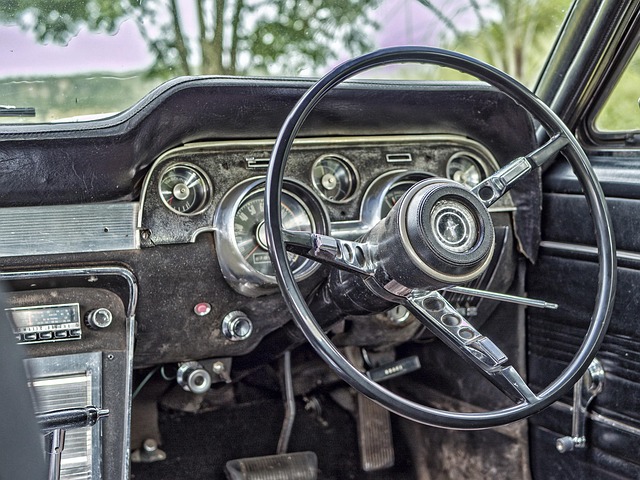
To register your car in California, you’ll need to complete a detailed application process, which includes verifying your vehicle’s unique identification number (VIN). The California Department of Motor Vehicles (DMV) offers both in-person and mobile VIN verification methods to ensure the accuracy of your vehicle’s information. Start by accessing the official DMV website to download the necessary forms or pick them up at any local DMV office. You’ll require documents such as proof of ownership, identification, and current registration (if applicable).
The application process involves filling out Form DV-140, which requests detailed information about your vehicle, including its make, model, year, and VIN. It’s crucial to ensure the VIN is accurate; this unique identifier acts as a digital fingerprint for your car. Here’s where mobile VIN verification comes into play—utilizing technology to confirm your vehicle’s details remotely. Apps or services can perform a mobile VIN inspection, cross-referencing data with specialized databases to validate the vehicle’s history and specifications. This modern approach streamlines the process, especially for those outside traditional business hours or with busy schedules.
Once your application is complete, you’ll need to pay the registration fees. These costs vary based on your vehicle type and age but generally include a base fee plus emissions testing charges if applicable. Online payment methods are available, making it convenient to complete this step from home. After successfully submitting your application and fees, look for updates via email or mail regarding your car’s registration status. Remember that timely renewal is essential to avoid penalties, and staying informed about any changes in California’s registration process ensures a smooth experience.
Receive Your Certificate of Registration and License Plate

Receiving your Certificate of Registration and License Plate is a crucial step in the car registration process in California. After completing all necessary paperwork, including the Application for Title and Registration (Form SV-1), you’ll need to schedule an appointment at a California Department of Motor Vehicles (DMV) field office. During your visit, a DMV inspector will perform a vehicle inspection that includes verifying the Vehicle Identification Number (VIN). This is where a mobile VIN verifier can be incredibly useful; it allows for remote, accurate VIN verification, streamlining the process and saving you time. The inspector will check the condition of your car, including its lights, tires, safety equipment, and emissions system. Once the inspection is passed, the DMV will issue your Certificate of Registration and License Plate.
You can also utilize a mobile VIN verifier during this phase to ensure the vehicle’s history checks out. This technology allows for instant, online verification of a car’s VIN against national databases, including those maintained by the National Motor Vehicle Title Information System (NMVTIS). By comparing the provided VIN with records on file, you and the DMV inspector can confirm that the vehicle has not been reported stolen or has any outstanding title issues. This is especially important in California, where a significant number of vehicles undergo mobile VIN verification annually due to its efficient, cost-effective nature. According to recent statistics, over 80% of car owners opt for mobile inspections, citing convenience and speed as primary factors.
When receiving your license plate, ensure you review all details carefully. Double-check the accuracy of the vehicle information, including the VIN, make, model, year, and color. Any discrepancies can lead to future registration issues or fines. After securing your license plate, it’s crucial to display it prominently on your vehicle as required by California law. Failure to do so may result in penalties. Lastly, keep your Certificate of Registration in a secure place; you’ll need it for future transactions, such as insurance claims or selling the vehicle.
By systematically navigating the process of car registration in California, from preparing essential documents to receiving your certificate of registration and license plate, you’ve gained a clear understanding of the key steps involved. Verifying vehicle identity using the DMV’s VIN verifier is crucial for ensuring accuracy. Completing the application and paying registration fees promptly ensures a smooth process. These insights empower you to confidently register your vehicle, leveraging the California DMV’s resources, including their VIN verifier, to ensure a legitimate and efficient transaction.