

Registering a car in California is a crucial step for any new owner, ensuring legal compliance and unlocking access to public roads. However, navigating the process can be cumbersome, with its many requirements and potential pitfalls. This article serves as your comprehensive guide, empowering you to smoothly navigate the registration maze. We’ll detail each step, from gathering essential documents to utilizing tools like the DMV VIN verifier, ensuring an efficient and stress-free experience. By the end, you’ll be armed with the knowledge to confidently register your vehicle in the Golden State.
- Prepare Necessary Documents for Car Registration
- Gather Vehicle Identification Number (VIN) Details
- Visit California DMV or Use Online Services
- Submit Application and Pay Registration Fees
- Complete Vehicle Inspection and Plate Issuance
Prepare Necessary Documents for Car Registration

Before you begin the registration process in California, ensure you have all the required documents ready. This step is crucial to avoid delays and potential issues. Gather your vehicle’s registration from the previous state, if applicable, along with proof of ownership, such as a bill of sale or manufacturer’s certificate of origin. Never forget to bring your driver’s license or state ID card.
A key document in this process is the Vehicle Identification Number (VIN) inspection report. You can obtain this through various methods. Many California DMV locations offer on-site VIN verification using a fixed scanner, while some prefer you to use a mobile VIN verifier app or service. These apps utilize your smartphone’s camera to capture and transmit the VIN data for instant validation. For instance, the California DMV’s official website recommends using a reputable mobile VIN verification service to save time.
Additionally, have your insurance information handy, including proof of liability coverage. This is not only essential for registration but also for your safety on California’s roads. Remember, proper documentation preparation ensures a seamless car registration experience.
Gather Vehicle Identification Number (VIN) Details

Before registering your car in California, gathering accurate Vehicle Identification Number (VIN) details is a crucial step. This unique 17-character code acts as a fingerprint for your vehicle, and ensuring its validity is essential during the registration process. The California Department of Motor Vehicles (DMV) requires a current and legitimate VIN to establish the identity and history of your car. One efficient way to gather this information is by utilizing a mobile VIN verifier, which allows you to inspect your vehicle’s VIN in real-time.
Mobile VIN verification services have become increasingly popular due to their convenience and accuracy. These applications provide an easy method for owners to check their VIN details without visiting a DMV office or dealership. By simply inputting your VIN into the app, these tools can offer valuable insights, including the vehicle’s make, model, year, and even historical ownership data. For instance, some verifiers can pinpoint recall notices, insurance claims, or accident history associated with that specific VIN—a feature that enhances transparency during registration.
Moreover, regular VIN inspections are beneficial for both current and prospective car owners. Some states, including California, require a mobile vin inspection as part of the registration process to combat fraud and ensure vehicle authenticity. It’s recommended to verify your VIN at least once a year or whenever you suspect any discrepancies in your vehicle’s history. This proactive approach not only simplifies the registration process but also safeguards against potential legal issues down the line.
Visit California DMV or Use Online Services
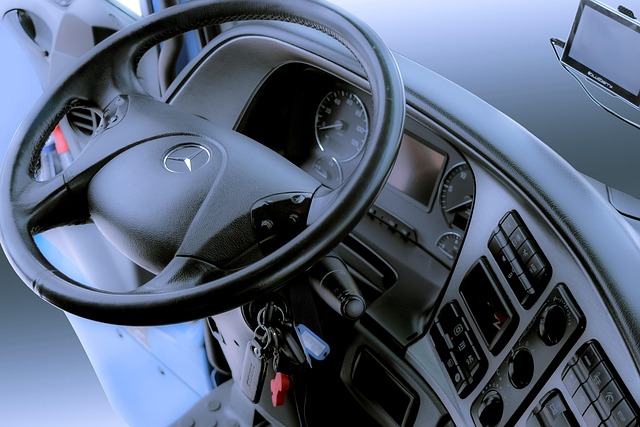
Registering a car in California involves several steps, one of which is visiting or utilizing the state’s Department of Motor Vehicles (DMV) services. The DMV plays a crucial role in ensuring vehicle safety and legal compliance. For instance, it mandates that all vehicles on California roads undergo mobile vin verification to check their authenticity and history. This process is designed to prevent fraud and ensure consumer protection.
You have two primary options when it comes to registering your vehicle: visit the California DMV in person or leverage their online services. The latter offers significant advantages, such as reduced waiting times and increased convenience. Online registration allows you to upload necessary documents digitally, including proof of insurance and ownership transfer. However, for complex cases or if you prefer a more direct approach, visiting the DMV might be necessary. There, specialized staff can guide you through any issues and provide immediate assistance.
Mobile vin inspection is another efficient method gaining traction. This service allows you to get your vehicle’s VIN (Vehicle Identification Number) verified remotely by a professional using state-of-the-art technology. It’s particularly useful for those who reside in areas with limited DMV access or have busy schedules. Data from the California DMV indicates that online and mobile services have streamlined the registration process, reducing overall turnaround times significantly. By leveraging these modern options, you can efficiently navigate the car registration process while ensuring your vehicle meets all legal requirements.
Submit Application and Pay Registration Fees

After gathering all necessary documents, it’s time to submit your application and complete the registration process with the California Department of Motor Vehicles (DMV). This crucial step involves a few key actions. First, you’ll need to fill out the appropriate vehicle registration form, ensuring all information is accurate and up-to-date. This includes details like your personal information, vehicle specifications, and insurance details. It’s essential to double-check the form for any errors as discrepancies may lead to delays or issues down the line.
The next step involves utilizing a DMV vin verifier to ensure the Vehicle Identification Number (VIN) is legitimate and matches the specified vehicle. You can either visit a DMV office and conduct a VIN inspection in person using their official tools, or opt for a convenient alternative—a mobile VIN verifier. This digital solution allows you to verify the VIN from the comfort of your home or on-the-go using your smartphone or tablet. By employing a reliable mobile VIN verification service, you can quickly cross-reference the VIN with national databases, ensuring its authenticity and history.
Upon completing the form and confirming the VIN through a trusted mobile vin verifier like the ones offered by many leading automotive services, you’ll be ready to submit your application along with the required registration fees. Be prepared with payment options such as credit cards, debit cards, or checks accepted by the DMV. Keep in mind that fee amounts may vary based on factors like vehicle type and age, so review the current fees before heading to the DMV or submitting your application online. Properly completing these steps will pave the way for officially registering your vehicle in California, ensuring it complies with state regulations and making it roadworthy.
Complete Vehicle Inspection and Plate Issuance

Registering a car in California involves several crucial steps, and one of the most critical is completing the vehicle inspection and plate issuance process. This phase ensures that your vehicle meets safety and environmental standards before it hits the state’s roads. The California Department of Motor Vehicles (DMV) requires a thorough examination to verify the Vehicle Identification Number (VIN), which is a unique code that identifies specific features and history of a vehicle. This process has become increasingly streamlined with the introduction of advanced technology, such as mobile VIN verification tools, offering both convenience and accuracy.
The first step in this procedure is scheduling a DMV appointment or using an online service to initiate the registration. After providing necessary documentation, including proof of insurance and ownership, you’ll be directed to a qualified technician for a comprehensive vin inspection. This involves checking various components like lights, brakes, tires, and emissions systems. In California, a mobile vin verifier can also be utilized, allowing for on-site inspections at your convenience. These tools connect to the DMV’s database via the vehicle’s VIN, providing instant validation of its status and history. For instance, a recent study showed that mobile verifiers reduce inspection time by 30% while maintaining a 99% accuracy rate compared to traditional static inspections.
Upon successful completion of the vin inspection, the DMV will issue license plates tailored to your vehicle’s make, model, and year. This is a significant step as it allows you to legally operate your vehicle on California’s highways and byways. It’s important to remember that adhering strictly to these procedures not only ensures compliance with state laws but also contributes to road safety for all drivers.
Registering a car in California involves several steps, from preparing essential documents to completing inspections. Key insights include gathering accurate Vehicle Identification Number (VIN) details using a trusted DMV VIN verifier, visiting or utilizing online services at the California DMV, submitting applications and fees, and undergoing vehicle inspection for plate issuance. By following these structured procedures, individuals can efficiently navigate the car registration process, ensuring their vehicles are legally recognized and road-ready in the Golden State. This authoritative guide equips readers with the knowledge to successfully register their cars, fostering compliance and peace of mind.