

Registering a car in California is a vital process that ensures vehicle ownership rights and facilitates responsible road safety. However, navigating the complex web of requirements can be challenging for new owners. This article serves as your comprehensive guide, offering step-by-step insights into the registration process, including crucial aspects like Vehicle Identification Number (VIN) verification. By following these guidelines, you’ll gain the knowledge to streamline your registration, ensuring a smooth and informed experience tailored to California’s unique regulations.
- Prepare Necessary Documents for Car Registration
- Locate Your Vehicle's VIN (Vehicle Identification Number)
- Choose a California Motor Vehicle Office for Registration
- Submit Application and Pass Required Inspections (VIN Verification)
- Complete Payment Process for Car Registration in CA
Prepare Necessary Documents for Car Registration

Registering a car in California involves more than just filling out forms; it’s a meticulous process that requires you to be prepared with the right documents from the get-go. One of the critical steps in this process is ensuring your Vehicle Identification Number (VIN) is verified accurately, which can be efficiently achieved through mobile VIN verification services. These services allow for a convenient and accurate check of your car’s history before registration, including its authenticity and any outstanding issues.
To start preparing, gather essential documents such as the title certificate from the previous owner, proof of insurance, and your driver’s license. Additionally, you’ll need to obtain a California Vehicle Registration Application form (DMV Form FR-180). It’s here that the significance of mobile VIN verification really shines. By utilizing these services, you can have your car’s VIN checked remotely by professionals who will cross-reference it against national databases, providing instant insights into its history—all before submitting your registration application. This proactive step not only saves time but also helps avoid potential delays or issues down the line.
Consider this: According to recent data, about 20% of vehicles with suspected altered or falsified VINs were identified through mobile VIN inspection services. Ensure your car’s registration process is smooth and stress-free by taking advantage of these modern tools. For instance, some mobile VIN verifiers offer real-time tracking and digital reports, making it easy to stay informed throughout the registration journey.
Locate Your Vehicle's VIN (Vehicle Identification Number)

Locating your vehicle’s Vehicle Identification Number (VIN) is a crucial step in the car registration process in California. The VIN serves as a unique fingerprint for your car, containing vital information about its make, model, year, and manufacturing details. It’s essential to ensure accurate VIN verification during registration to maintain legal compliance and avoid potential issues with vehicle history reports or insurance claims. One convenient method for California residents is the use of mobile VIN verifiers, which allow you to conduct a quick and reliable inspection right from your smartphone.
When preparing to register your car in California, gather all necessary documents, including proof of ownership, registration fees, and valid identification. Before submitting your application, confirm that your vehicle’s VIN is legible and accurate. In some cases, older vehicles or those with custom modifications might require additional documentation or inspections. Utilize a trusted mobile VIN verifier to check the accuracy of the number; these tools can cross-reference your VIN against national databases to ensure it matches the vehicle records on file. For instance, services like Carfax or AutoCheck offer mobile apps that enable users to perform quick VIN inspections.
In the event of discrepancies or if you’re unsure about any aspect of VIN verification, California’s Department of Motor Vehicles (DMV) provides resources and support. They offer guidance on correcting errors, replacing missing components, or understanding unique vehicle identification systems. Remember, accurate VIN data is not just for registration; it’s also crucial for selling or trading your vehicle in the future. By taking a proactive approach to VIN verification using modern tools like mobile verifiers, California car owners can streamline their registration process and ensure their vehicles’ identities remain reliable and secure.
Choose a California Motor Vehicle Office for Registration
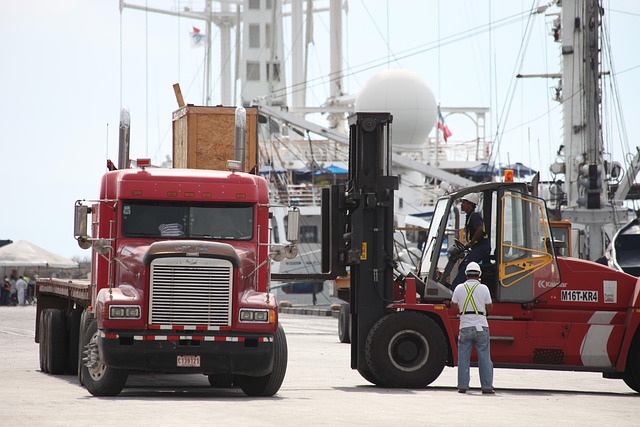
When registering your car in California, selecting the right Motor Vehicle Office (MVO) is a crucial step in the process. California’s Department of Motor Vehicles (DMV) operates several MVOs across the state, each equipped to handle a range of vehicle-related services, including registration. The DMV’s website offers a convenient tool to locate your nearest MVO, allowing you to consider factors like proximity, wait times, and the specific services they provide.
For instance, some MVOs may offer additional benefits like on-site vehicle inspections, including vin inspection and vin verification. These services ensure the accuracy of your vehicle’s identification number (VIN), a critical component in the registration process. A mobile vin verifier, for instance, can facilitate this verification, providing a quick and efficient way to confirm your car’s details. This is particularly beneficial for those with busy schedules or those who prefer a smoother, more straightforward registration experience.
Choosing the right MVO means understanding your needs and comparing them to the services offered. If you’re in need of a quick transaction, an MVO with shorter wait times and a streamlined process might be ideal. Conversely, if accuracy and vin inspection are priorities, select a location that facilitates these services. Remember, the goal is to find the best fit for your registration needs, ensuring a seamless and efficient experience.
Submit Application and Pass Required Inspections (VIN Verification)
Registering a car in California involves several crucial steps, and one of the most critical is submitting your application along with passing the required VIN verification process. This procedure ensures that all vehicles on the road meet safety standards and aids in preventing stolen vehicles from being registered. The process begins when you have gathered necessary documents such as proof of ownership, vehicle identification number (VIN), and documentation regarding any prior registrations or titles.
Submitting your application is the first step, which typically involves filling out a form with detailed information about your vehicle, including its make, model, year, and VIN. After completing this step, you’ll need to schedule and pass a VIN verification inspection. This inspection, often conducted by a certified examiner, involves verifying the authenticity of your vehicle’s VIN through physical examination and cross-referencing it with national databases. Mobile VIN inspections have become increasingly popular due to their convenience; these services bring the inspection to you, whether at home or work.
During the VIN verification process, examiners will check for any discrepancies between the provided information and the actual vehicle components. They ensure that the VIN plate is in its proper place and legible. If issues are found during this stage, they must be rectified before registration can proceed. It’s important to remember that some modifications or alterations to your vehicle may require additional documentation, further emphasizing the need for accurate and up-to-date records throughout the registration process.
Complete Payment Process for Car Registration in CA

Registering a car in California involves several crucial steps, and one of the most critical aspects is the complete payment process for car registration. After gathering all necessary documents, including proof of insurance, vehicle ownership, and identification, the next phase centers on ensuring your vehicle’s unique identifier—the Vehicle Identification Number (VIN)—is verified accurately. This step is vital to establishing the legitimacy of your vehicle and facilitating a smooth registration experience.
The process begins with conducting a thorough VIN inspection to confirm the vehicle’s identity and history. In California, this often involves utilizing specialized tools and services that provide instant, reliable data on the VIN. For instance, mobile VIN inspection services have gained popularity due to their convenience; these services send a trained professional to your location, enabling them to perform a digital VIN verification using advanced scanners. Alternatively, many online platforms offer remote VIN checks, where you simply input your VIN to access detailed vehicle history reports.
When engaging in a mobile VIN inspection or utilizing an online service, ensure the provider is reputable and authorized to deliver accurate information. This step is essential to prevent any future issues with registration or insurance claims. For example, some unscrupulous individuals may attempt to sell altered vehicle histories, so it’s crucial to stick to trusted sources. Once your VIN is verified and all other requirements are met, you can proceed with the payment process, which typically involves a one-time fee for registration, plus any applicable taxes and fees. This guarantees that your vehicle is officially registered and ready to hit California’s highways and byways.
By meticulously preparing your documents, locating your vehicle’s VIN (a crucial step for accurate registration), and strategically choosing a California Motor Vehicle Office, you can streamline the car registration process. A key milestone is successfully passing VIN verification, ensuring your vehicle meets safety standards. Completing the payment process securely finalizes the registration, granting you legal driving privileges in California. This comprehensive guide empowers you with the knowledge to navigate this essential administrative task efficiently and confidently.