

Registering a car in California is a crucial step for any new owner, ensuring legal compliance and seamless operation on the state’s roads. However, navigating the process can be daunting, with its complex requirements and often confusing procedures. This comprehensive guide aims to demystify the journey, offering clear, concise instructions from start to finish. We’ll break down each step, emphasizing the significance of accurate documentation and, notably, highlighting the critical role of DMV VIN verification in ensuring a legitimate registration. By the end, you’ll be equipped with the knowledge to confidently complete this essential task.
- Prepare Necessary Documents for Car Registration
- Gather Vehicle Identification Number (VIN) Information
- Visit Your Local California DMV Office or Use Online Services
- Complete the Car Registration Application Form Accurately
- Submit and Pay Fees for DMV VIN Verification and Registration
Prepare Necessary Documents for Car Registration

When preparing to register your car in California, gathering the necessary documents is a crucial step. This process involves verifying key information about your vehicle, ensuring compliance with state regulations. One critical aspect is performing a DMV VIN verification, which establishes the authenticity and history of your car’s Vehicle Identification Number (VIN). This step is essential for preventing fraud and ensuring that you’re registering the legitimate vehicle.
For instance, California requires a mobile VIN verification process, where you can obtain an inspection from authorized agents or even some local auto shops. This service confirms the VIN’s accuracy by cross-referencing it with national databases, providing a level of transparency and security. It’s advisable to schedule this step before gathering other documents, as it serves as a foundational element in your registration process. Along with the VIN report, you’ll need to assemble paperwork such as the title, registration application form, proof of insurance, and emissions test results (if applicable).
The mobile VIN inspection plays a dual role: it’s both a security measure against counterfeit vehicles and a convenience for car owners. According to recent data, over 90% of successful car registrations in California are processed without issues when the required paperwork, including a valid VIN inspection, is submitted correctly. To ensure a smooth registration process, consider requesting a mobile vin verification 1-2 weeks before your intended registration date, allowing ample time to address any discrepancies. This proactive approach can save you from potential delays and frustrations down the line.
Gather Vehicle Identification Number (VIN) Information
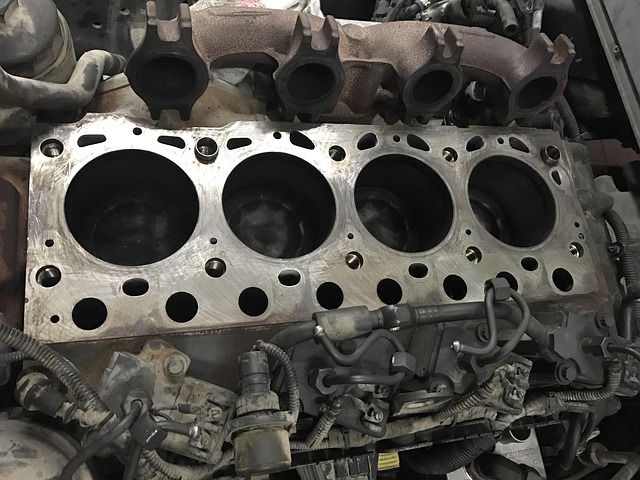
Before you register your car in California, ensuring accurate Vehicle Identification Number (VIN) information is crucial. The VIN is a unique 17-character code that serves as the vehicle’s fingerprint, critical for accurate identification and documentation. It’s vital to have this detail ready when initiating the registration process at the California Department of Motor Vehicles (DMV). The DMV conducts a VIN verification step to ensure the vehicle’s authenticity and history, which is why having precise data upfront streamlines the registration experience.
Gathering the VIN involves examining the vehicle itself or consulting official documentation. For older vehicles, you might find it etched into the dashboard or doors. Modern cars typically display it on a label attached to the engine block or under the hood. If available, the VIN can also be found on registration documents, insurance policies, or maintenance records. When obtaining the VIN, ensure it’s accurate and legible to avoid any delays during the DMV vin verification process.
For added convenience, mobile vin verification services have gained popularity. These tools allow drivers to quickly and easily capture their vehicle’s VIN using their smartphone cameras. A trusted mobile vin verifier can digitize the process, providing instant access to a vehicle’s history through online databases. This modern approach not only saves time but also enhances accuracy, especially when dealing with hard-to-read or faded VINs. Whether conducting a traditional VIN inspection or utilizing a mobile verifier, ensuring the VIN’s correctness is paramount before heading to the DMV.
Visit Your Local California DMV Office or Use Online Services

Registering a car in California involves several steps, but visiting your local DMV office or utilizing online services can streamline this process significantly. One of the initial, crucial steps is ensuring accurate and up-to-date Vehicle Identification Number (VIN) data, which serves as a unique fingerprint for your vehicle. This is where a DMV VIN verification comes into play. In California, you have options to complete this task efficiently.
For those in close proximity to a DMV office, physically visiting the branch remains a viable and reliable method. Staff members are equipped to conduct thorough VIN verifications, cross-referencing vehicle details against their records to ensure completeness and authenticity. This traditional approach offers immediate results, allowing you to proceed with registration without delay. Alternatively, California’s Department of Motor Vehicles (DMV) provides online services that facilitate a modern, digital experience. Through the DMV’s website, you can initiate the VIN verification process remotely, leveraging mobile vin inspection tools for convenience and accessibility.
Leveraging technology further, some individuals opt for mobile vin verifier apps, which enable on-the-go verifications directly from your smartphone. These applications streamline the process by providing real-time data access and digital documentation, catering to today’s digitally savvy drivers. By using these methods, you can ensure that your vehicle’s information is accurate, reducing potential registration complications down the line. Always verify with the DMV that all provided details align with their records for a smooth car registration experience in California.
Complete the Car Registration Application Form Accurately

Completing the Car Registration Application Form accurately is a crucial step in the registration process in California. This form, often referred to as the ‘Vehicle Registration and Title Application,’ requires meticulous attention to detail. Every piece of information provided must be precise and up-to-date, ensuring compliance with California’s Department of Motor Vehicles (DMV) standards. One critical component is accurately entering the Vehicle Identification Number (VIN), which serves as a unique fingerprint for your car.
When filling out the form, ensure you have accurate data on hand, including the VIN, which can typically be found on the vehicle’s certification label or in its owner’s manual. It’s essential to cross-reference this number with the one provided by a reliable mobile vin inspection service to avoid errors. For instance, using a mobile vin verifier can help you verify the VIN accuracy quickly and conveniently before submitting your application. This step is vital, as an incorrect VIN might delay or even invalidate your registration efforts.
Consider seeking professional assistance if you’re unsure about any part of the form. Many DMV branches offer guidance, but utilizing a mobile vin inspection service can also be beneficial. These services provide on-demand, accurate VIN checks, ensuring your application’s integrity. For example, data from the California DMV shows that proper documentation and accurate information reduce registration time by up to 25%, highlighting the value of meticulous form filling. Always remember, an accurately completed application is a significant step toward a smooth car registration process in California.
Submit and Pay Fees for DMV VIN Verification and Registration

To register your car in California, you’ll need to complete several steps, one of which is submitting and paying fees for DMV VIN verification and registration. This process involves ensuring that the Vehicle Identification Number (VIN) on your vehicle matches the information in the state’s records. The California Department of Motor Vehicles (DMV) offers both in-person and mobile vin inspection services, including mobile vin verifiers, to facilitate this process.
For a smooth experience, start by gathering all necessary documents, such as proof of ownership, insurance, and identification. You can schedule a mobile vin inspection online or via phone, which involves a certified inspector visiting your location to perform the VIN verification. Alternatively, you can visit a local DMV office for an in-person vin inspection. The inspector will cross-reference the VIN with the vehicle’s make, model, and year to ensure accuracy. Once confirmed, you’ll be issued a Certificate of Compliance, indicating that your car meets all legal standards.
After obtaining this certificate, it’s time to pay the registration fees. California charges a base fee for registration, which includes the cost of DMV VIN verification. Additional fees may apply based on factors like vehicle age and emissions testing requirements. You can typically pay these fees online or in person at a DMV office using a credit card, debit card, or cash. Properly completing this step ensures that your car is officially registered with the state, allowing you to legally operate it on California roads.
As part of this process, be sure to keep records of all documents and receipts. If any discrepancies arise during future inspections, having these records can help resolve issues promptly. Additionally, consider using a reliable mobile vin verifier or scheduling in-person inspections at convenient locations to avoid delays and ensure that your car’s registration stays up to date.
To successfully register your car in California, effectively preparing and accurately completing the necessary paperwork is key. Gathering the Vehicle Identification Number (VIN) information from your car is a crucial first step, serving as the foundation for the entire process. Visit or utilize online services at your local California DMV office to streamline the registration journey. Remember, filling out the car registration application form meticulously is essential, ensuring all required details are included. After submitting the form, you’ll need to pay the associated fees for DMV VIN verification and registration, a necessary step that contributes to a complete and official registration. By adhering to these steps and prioritizing accuracy during the dmv vin verification process, you’ll secure your car’s registration with confidence, in line with California’s established procedures.