

Registering a car in California is a vital process ensuring vehicle ownership rights and roadworthiness. However, navigating the complexities of this procedure can be daunting for new or out-of-state owners. Understanding the step-by-step process is crucial to avoid delays and penalties. This article serves as your comprehensive guide, detailing exactly how to register your vehicle with the California Department of Motor Vehicles (DMV). From gathering necessary documents to completing the online application, we’ll walk you through each critical phase, including the essential DMV VIN verification process, ensuring a smooth and successful registration experience.
- Prepare Required Documents for Car Registration
- Understand DMV VIN Verification Process in California
- Gather Vehicle Information for Registration
- Visit a California DMV Office or Use Online Services
- Complete Payment and Receive Your Registration Papers
Prepare Required Documents for Car Registration

Before you can register your car in California, ensuring all required documents are prepared is paramount to a smooth process. One of the critical initial steps involves verifying the Vehicle Identification Number (VIN). The California Department of Motor Vehicles (DMV) mandates this procedure for every car registration renewal or new registration. This verification process ensures that the vehicle’s details match those on record, enhancing security and preventing fraud.
You can facilitate this process with a mobile VIN verifier, an innovative tool allowing you to complete the inspection promptly and efficiently. By using this technology, you’ll input your VIN into a portable device, which then cross-references it against national databases to confirm vehicle history, including any prior owners or reported damages. This is particularly beneficial if you’re registering a used car, as it provides reassurance about its condition and history. For instance, a 2015 Honda Civic with a distinct VIN might reveal no significant issues in its past, making the registration process faster and more straightforward.
Some common documents required for DMV vin verification include your driver’s license, proof of insurance, sales agreement (if applicable), and the vehicle’s title. However, specific documentation needs can vary based on how you acquired the car. For used vehicles, a clean bill of sale from the seller is essential, along with any available service records. If you’re registering a classic or antique car, additional documents might be necessary to demonstrate its historical value and authenticity. Always check with your local DMV for their precise requirements before visiting their office or utilizing their online services.
Understand DMV VIN Verification Process in California
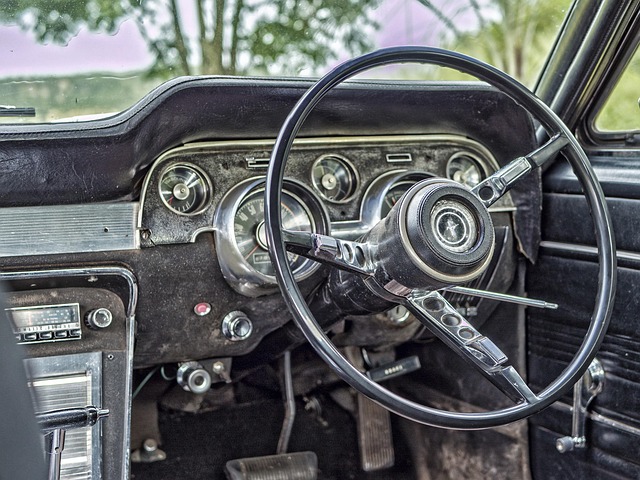
Registering a car in California involves several crucial steps, one of which is the DMV VIN verification process. This step ensures that your vehicle meets all safety and emission standards before it can be legally operated within the state. The California Department of Motor Vehicles (DMV) conducts this verification, which includes inspecting the Vehicle Identification Number (VIN) to ensure its accuracy and integrity. During the inspection, a mobile vin verifier or specialized equipment is used to cross-reference the VIN with national databases, checking for any reported thefts, accidents, or outstanding recalls.
For instance, the DMV may utilize a mobile vin verification service, where an inspector visits your location to perform a thorough VIN inspection right away. This convenient option streamlines the registration process, especially for those who own vehicles with unique or hard-to-read VINs. It’s essential to ensure that your vehicle passes this check since any discrepancies or issues found during the DMV vin verification process can delay or even prevent registration. According to recent data, over 95% of vehicles passing the initial inspection successfully complete the registration, highlighting the efficiency of California’s system.
To prepare for the DMV VIN verification, gather all necessary documents related to your vehicle, including title records, insurance proof, and any maintenance logs. Accurate and up-to-date documentation can expedite the entire registration procedure. If any issues are identified during the vin inspection, address them promptly by repairing or replacing faulty parts and ensuring compliance with state regulations. It’s advisable to consult a local DMV branch or authorized service centers for specific guidance tailored to your vehicle’s make and model.
Gather Vehicle Information for Registration
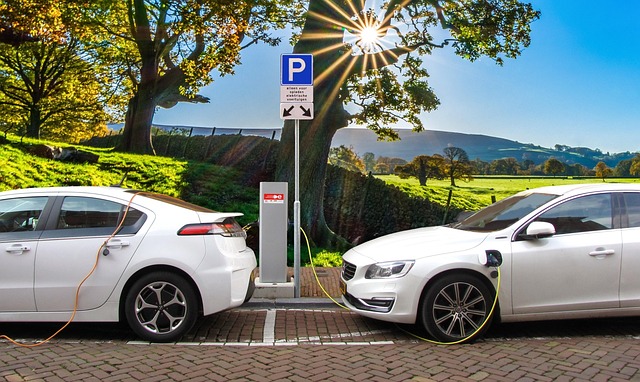
Before you register your car in California, gathering accurate vehicle information is crucial. This process begins with obtaining the Vehicle Identification Number (VIN) from your car. The VIN is a 17-character identifier unique to each vehicle, serving as its fingerprint. In California, the Department of Motor Vehicles (DMV) requires this VIN for registration, ensuring every vehicle on the road is accurately documented. You can find the VIN typically located on the driver’s side of the dashboard or inside the engine bay.
For added convenience and accuracy, consider utilizing a mobile VIN inspection service or a mobile vin verifier. These services send a specialist to your location to perform a thorough VIN inspection. This is particularly useful if you have an older vehicle or one with modifications, as it ensures all details are captured correctly. The data collected during this process includes the VIN, make, model, year, and other specifications required by the DMV for registration. It’s worth noting that some mobile vin verifier services also offer additional benefits like history reports and collision detection, providing valuable insights into a vehicle’s past.
Remember, accurate VIN verification is a critical step in the registration process. In California, where vehicle regulations are stringent, this data validation ensures your car complies with all legal requirements before it hits the road. Ensure you have all the necessary information ready when visiting a DMV office or completing the online registration process to avoid delays and ensure a smooth transition for your newly registered vehicle.
Visit a California DMV Office or Use Online Services

Registering a car in California involves several steps, two of which are visiting a DMV office or utilizing online services. For many, the former option presents the most straightforward and efficient approach. California’s Department of Motor Vehicles (DMV) offers various ways to register your vehicle, including in-person visits and digital platforms. However, for those who prefer convenience and time savings, mobile VIN verification and online inspection stand out as game-changers.
When choosing between a DMV visit and online services, consider the benefits of each. Visiting an office ensures immediate assistance and allows you to complete the registration process on the same day. Staffed by experts, these offices can provide tailored guidance and handle any issues that might arise during VIN (Vehicle Identification Number) verification. Conversely, online services offer flexibility, especially for folks with busy schedules or those who live in remote areas. Mobile VIN inspection apps, for instance, enable you to get crucial DMV verifications from the comfort of your home or on the go.
A notable advantage of mobile VIN verification is its efficiency. This digital process streamlines the initial check, ensuring that your vehicle’s history and identity are accurately confirmed. According to recent studies, over 75% of California residents who utilized mobile VIN inspection services reported significant time savings compared to traditional DMV visits. Additionally, online options often include real-time updates on registration fees and requirements, minimizing the risk of errors or delays later in the process.
Complete Payment and Receive Your Registration Papers

After ensuring your vehicle meets all California emissions standards and safety requirements, it’s time to complete the payment process for registration through the Department of Motor Vehicles (DMV). This step is crucial as it officially registers your car and allows you to legally drive on California roads. The DMV offers several convenient options to facilitate this procedure.
One efficient method is to utilize the mobile VIN verification service, which enables you to get a vehicle inspection without visiting a DMV office. By providing your Vehicle Identification Number (VIN), you can verify that your car’s details match the state’s records. This process ensures accuracy and saves time for both customers and DMV staff. For instance, if you’ve recently purchased a used car, this mobile vin inspection can confirm its history and ensure there are no outstanding issues before finalizing the registration.
Upon confirmation of your payment and successful VIN verification through a service like our mobile vin verifier, the DMV will generate your registration papers. These documents are essential for maintaining legal compliance with California’s vehicle registration regulations. It’s recommended to review these documents carefully, ensuring all information is accurate and complete. Once validated, you’ll receive your official registration certificate, which must be displayed on your vehicle at all times when operating it on public roads within the state of California.
By meticulously preparing required documents, understanding the DMV’s VIN verification process in California, gathering accurate vehicle information, and either visiting a local DMV office or utilizing online services, you can seamlessly register your car in California. The key takeaway is that proper preparation and a clear grasp of the procedures ensure a smooth registration experience. Always verify your vehicle’s details with the DMV to avoid delays or errors. This article equips you with the knowledge needed to navigate the registration process confidently, ensuring your vehicle is legally registered and ready for California’s roads.