
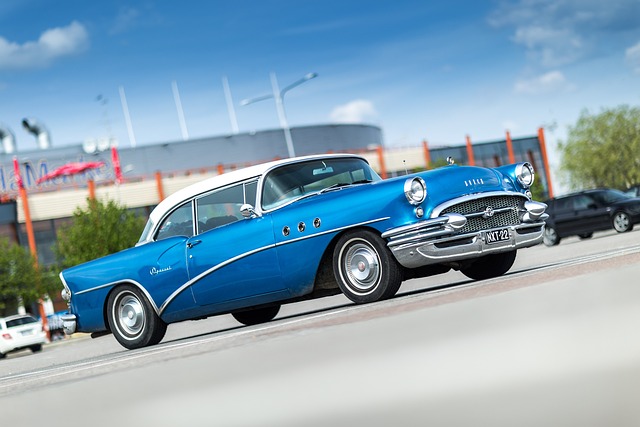
Registering a car in California is more than just a bureaucratic formality; it’s a crucial step to ensure your vehicle is legally recognized on state roads. However, navigating the process can be perplexing, with numerous requirements and potential pitfalls. This comprehensive guide aims to demystify the process, offering clear instructions and expert insights tailored for California residents. We’ll walk you through every step, from gathering essential documents to undergoing the crucial DMV VIN verification, ensuring a smooth and stress-free registration experience.
- Gather Necessary Documents for Car Registration
- Prepare for DMV Visit: Schedule an Appointment
- Vehicle Identification Number (VIN) Verification Process
- Complete the California Car Registration Application
- Pay Registration Fees and Receive Your Plate
Gather Necessary Documents for Car Registration

Registering a car in California involves several steps, and one of the critical initial stages is gathering all the necessary documents for car registration. This process can be streamlined by being prepared with the right paperwork, especially when it comes to verifying your vehicle’s identification number (VIN). The California Department of Motor Vehicles (DMV) requires this VIN verification as a security measure to prevent fraud and ensure vehicle authenticity.
Key among these documents is the Certificate of Title, which establishes ownership. You’ll also need a valid driver’s license or state ID card for proof of identity. For vehicles over 15 years old, you might require a historical vehicle registration or a completed Vintage Vehicle Application. Additionally, insurance proof, such as a policy declaration page, shows your car is insured before registration.
In some cases, obtaining a mobile VIN inspection can expedite the process. Mobile vin verifiers offer on-site services, allowing you to get your VIN verified instantly without visiting a DMV office. This option is particularly useful for individuals with busy schedules or those who live in remote areas. The service provider will use specialized equipment to capture and transmit the VIN data for instant DMV vin verification, making registration more convenient and efficient.
Prepare for DMV Visit: Schedule an Appointment

Before you begin the registration process for your vehicle in California, it’s crucial to prepare for your visit to the Department of Motor Vehicles (DMV). One of the most efficient ways to streamline this procedure is by scheduling an appointment beforehand. This step ensures a smoother experience, as you’ll avoid lengthy waiting times, which are common during peak seasons or at busy DMV locations.
When preparing for your DMV visit, consider conducting a thorough vehicle inspection, including a DMV VIN (Vehicle Identification Number) verification. Many individuals opt for mobile VIN verification services, which offer convenience and accuracy. These services send a professional to your location to perform an inspection, including checking the VIN, ensuring it matches the vehicle’s documentation, and confirming its authenticity. This is particularly beneficial when dealing with classic or vintage cars, as proper documentation and a legitimate VIN are essential.
By scheduling an appointment and arranging for a mobile VIN verification, you can proactively address potential issues before reaching the DMV. This proactive approach saves time and effort, providing peace of mind that your vehicle’s registration process will be seamless and successful. Remember, accurate records and a valid VIN are critical to ensuring your car’s legal status in California.
Vehicle Identification Number (VIN) Verification Process

Registering a car in California involves several crucial steps, one of which is ensuring accurate Vehicle Identification Number (VIN) verification. This process is critical to ensure that your vehicle’s history is accurately represented and to prevent potential issues with registration or future sales. The California Department of Motor Vehicles (DMV) offers guidelines for VIN verification as part of their registration procedure.
The initial step in this process involves a thorough inspection of the vehicle’s VIN plate, typically located on the driver’s side door frame. This plate includes 17 characters that provide detailed information about the vehicle, including its make, model, year, and manufacturing location. It is essential to ensure the VIN plate is legible and matches the data provided by the vehicle’s manufacturer. For classic cars or vehicles with altered histories, a mobile vin inspection service can be invaluable. These services use advanced technology to verify the VIN and cross-reference it with national databases, providing peace of mind for both buyers and sellers.
If there are discrepancies between the physical VIN plate and the recorded data, it may indicate potential fraud or tampering. In such cases, the DMV recommends further investigation, which could include contacting the previous owner or a trusted mechanic for additional verification. Using a mobile vin verifier can streamline this process by providing instant, official reports from recognized databases. These verifiers are particularly handy when dealing with out-of-state purchases or vehicles with obscure makes and models, ensuring that all necessary checks are conducted efficiently.
Remember, accurate VIN verification is not only a legal requirement for registration but also plays a vital role in maintaining the integrity of California’s vehicle record system. It helps protect both consumers and law enforcement by deterring fraud, making it an essential step in the car registration process.
Complete the California Car Registration Application

To complete the registration process for your car in California, you’ll need to fill out the California Car Registration Application form accurately and submit it along with the required documents and fees to the Department of Motor Vehicles (DMV). This step is crucial as it verifies your vehicle’s identification number (VIN) through a process known as DMV VIN verification. This ensures that your car meets all safety standards before it can be legally operated on California roads.
The application form typically asks for detailed information about your vehicle, including its make, model, year, and color. It also requires personal data from you as the owner, such as your name, address, and date of birth. One innovative way to streamline this process is through mobile VIN verification services that can be performed directly on your smartphone. These services offer a convenient, time-saving alternative to traditional DMV visits by enabling a professional inspection via text or an app, eliminating the need for you to physically bring your vehicle in.
DMV VIN verification ensures that your car’s information matches the records on file and helps prevent fraud. It also verifies that your vehicle meets all applicable emissions standards, which vary based on its age. In recent years, mobile VIN verifiers have become increasingly popular due to their efficiency and accuracy. According to a study by the California DMV, over 70% of vehicle registration renewals now involve some form of digital inspection or verification, reflecting a significant shift toward modern, tech-driven solutions.
When completing your application, be sure to double-check all information for accuracy. Mistakes can delay the registration process, so it’s advisable to use a mobile VIN verifier if available in your area. This service ensures that every detail about your car is correct, from its VIN to its emissions test results. By taking this step, you’re not only simplifying the registration process but also contributing to a smoother, more efficient DMV experience for everyone.
Pay Registration Fees and Receive Your Plate

To complete the registration process for your vehicle in California, you’ll need to pay the required registration fees and receive your unique license plate. This involves a crucial step known as DMV VIN verification, ensuring that all vehicles on California roads meet safety standards. The California Department of Motor Vehicles (DMV) offers several convenient methods to facilitate this process.
One efficient approach is to utilize a mobile VIN inspection or mobile VIN verifier. These services allow you to conduct the necessary verification from the comfort of your own vehicle. By utilizing cutting-edge technology, these mobile verifiers remotely access the DMV’s system to cross-reference the Vehicle Identification Number (VIN) against recorded data, including safety and emissions compliance. This process streamlines traditional inspection methods, often reducing wait times significantly.
After passing the VIN verification, you’ll be ready to pay the registration fees. The amounts vary based on vehicle type, age, and emissions standards met. Payment can typically be made online through the DMV’s website or at authorized service centers. Once your payment is processed, the DMV will issue your license plate, which should then be securely fastened to your vehicle. Ensure that all registration documents are accurately filled out and up-to-date to avoid future issues when renewing your car’s registration.
Registering a car in California involves several straightforward steps, from gathering essential documents to completing an application at the DMV. By proactively preparing for your visit—including scheduling an appointment and undergoing the mandatory DMV VIN verification process—you streamline the registration experience. Key takeaways include the importance of accurate documentation, understanding the fee structure, and ensuring your vehicle’s identification number (VIN) is verified for security and accuracy. These practical steps ensure a smooth car registration process, providing peace of mind and access to California’s roads.